| Monday: | 8:00 AM - 5:00 PM |
| Tuesday: | 8:00 AM - 5:00 PM |
| Wednesday: | 8:00 AM - 5:00 PM |
| Thursday: | 8:00 AM - 5:00 PM |
| Friday: | 8:00 AM - 5:00 PM |
| Saturday: | Closed |
| Sunday: | Closed |


Greg’s Trans-Electric - Suspension & Steering Repair in Missoula, MT
-
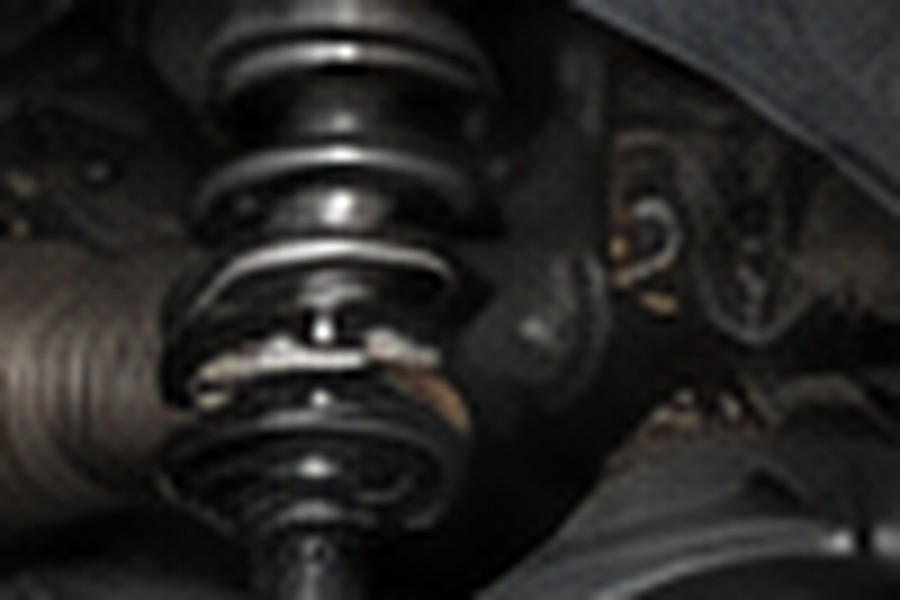
Improve ride quality, steering control, tire wear, and vehicle stability with professional suspension and steering service.
Your suspension and steering systems keep the tires in controlled contact with the road and allow the vehicle to respond predictably to driver input. Worn shocks, struts, ball joints, tie rods, bushings, bearings, springs, or steering components can affect more than comfort. They can contribute to wandering, clunks, vibration, poor alignment, uneven tire wear, reduced stability, and changes in braking behavior. Greg’s Trans-Electric provides suspension and steering repair in Missoula for drivers who want the cause of the symptom identified before parts are replaced.
Missoula-area roads can be demanding on chassis components. Potholes, freeze-thaw cycles, gravel roads, winter debris, curbs hidden by snow, and regular travel on mountain or rural routes all transmit impact through tires, wheels, suspension joints, and steering linkages. Normal wear accumulates gradually, so drivers sometimes adapt to loose steering or a rough ride without realizing how much the vehicle’s behavior has changed.
A proper inspection separates suspension wear from tire, wheel, brake, and alignment problems that can feel similar from the driver’s seat. Replacing shocks will not correct a bent wheel, and performing an alignment will not hold if a tie-rod end or ball joint has excessive play. The sequence matters: identify worn or damaged components, repair them, then arrange alignment through Pomp’s when needed as part of the repair. We do not perform alignments in-house or provide tire services.
-
You Can Count On Greg’s Trans-Electric
- ASE Certified
- ATSG Member
- Transmission Specialists
- Locally Owned & Operated
- In Business Since 1964
- Great Customer Service
- Quality Work - Affordable Rates
We work on supported domestic and Asian vehicles, including diesel vehicles. European, hybrid and electric vehicles are not serviced. Please call to confirm your vehicle and repair needs.
How Suspension Components Affect Ride and Control
Shocks and struts help control spring movement. Springs support vehicle weight and allow the wheels to move over bumps, while dampers limit repeated bouncing. When shocks or struts lose effectiveness, the vehicle may float, bounce, nose-dive, feel unsettled over rough pavement, or take longer to regain composure after a bump. Leakage can be a clue, but performance and mechanical condition also matter.
Control arms, bushings, ball joints, links, and mounts locate the wheel through its range of motion. Rubber bushings isolate vibration but can crack or separate with age. Ball-and-socket joints can develop looseness. Mounts can deteriorate or become noisy. The exact layout varies by vehicle, so inspection should focus on the components actually used on the front and rear suspension.
Ride height also affects alignment geometry. A broken or sagging spring can change how the tire meets the road and may create a visible lean. Damage from an impact can bend a wheel or suspension component even when the vehicle remains drivable. If handling changed immediately after hitting a pothole or curb, schedule an inspection instead of assuming the alignment alone is responsible.
Steering Problems: Wandering, Play, Noise, and Pulling
Steering systems may use a rack-and-pinion assembly, steering gear, electric power assist, hydraulic power assist, or a combination of electronic and mechanical components. Tie rods connect steering movement to the wheels, while joints and mounts keep the linkage controlled. Wear anywhere in the system can create looseness, delayed response, clunks, or an inability to hold alignment.
A vehicle that pulls to one side can have an alignment issue, but tires, brakes, road crown, ride height, or suspension damage can produce similar behavior. Steering-wheel vibration can come from tire balance, bent wheels, wheel bearings, drivetrain issues, or suspension looseness. A methodical inspection prevents a symptom from being assigned to the wrong system.
Power steering concerns deserve attention as well. Hydraulic systems can develop leaks, pump noise, hose problems, or assist changes. Electric power steering systems can store fault codes or suffer sensor, motor, power-supply, or module problems. Because steering is safety-critical, sudden loss of assist, binding, or a major change in steering effort should be addressed promptly.
Suspension & Steering Components We Inspect
- Shocks and struts
- Ball joints and control arms
- Bushings, links, and mounts
- Inner and outer tie rods
- Steering rack or gear and assist components
- Springs and ride-height concerns
- Wheel bearings and related chassis components
Tire Wear Can Be a Suspension Clue
Uneven tire wear often provides evidence about alignment or chassis condition. Wear concentrated on one edge, cupping, feathering, or irregular patches can be influenced by alignment angles, tire pressure, wheel balance, worn dampers, loose joints, or tire construction. Reading the wear pattern is useful, but it should be combined with measurements and inspection rather than treated as a diagnosis by itself.
A new alignment cannot compensate for worn steering or suspension joints. If a component moves under load, the wheel angles can change as the vehicle travels even if they looked correct on the alignment rack. That is why suspension and steering inspection should come before alignment when there is looseness, noise, impact history, or abnormal tire wear.
Drivers can help protect tires by checking inflation regularly, rotating tires when appropriate, and responding early to changes in steering feel. If you install new tires while a suspension problem remains, the new tread can begin wearing unevenly almost immediately.
Signs Your Vehicle Needs Suspension or Steering Inspection
Common complaints include clunking over bumps, squeaking, rattling, excessive bouncing, a vehicle that feels unstable in turns, steering that wanders, a crooked steering wheel, uneven tire wear, vibration, and visible fluid leakage from hydraulic steering components or dampers. A vehicle that sits lower at one corner or side may have a spring or structural concern.
Some problems are easiest to notice during braking or acceleration. Worn control-arm bushings can allow movement as load transfers. Weak dampers can increase nose-dive or rear squat. Loose steering components may make the vehicle feel imprecise when changing lanes. Because the driver experiences these systems dynamically, a road test may be useful when safe and appropriate.
Any sudden change after an impact deserves inspection. A hard pothole strike can damage a tire internally, bend a wheel, alter alignment, or affect suspension parts. A vehicle can still drive straight while hidden damage is present, especially if the impact was severe.
Common Symptoms
- Clunking or rattling over bumps
- Vehicle wanders or feels loose
- Excessive bouncing or nose-dive
- Steering wheel is off-center
- Uneven or rapid tire wear
- Vibration or instability at speed
- Changed handling after a pothole or curb impact
Suspension Service for Missoula's Seasonal Roads
Freeze-thaw cycles can turn small pavement defects into large potholes. Winter road treatment and moisture can corrode exposed fasteners and components. Gravel roads add vibration and impact. None of these conditions automatically means a suspension will fail, but they make periodic inspection especially valuable for vehicles driven frequently on rough or rural roads.
Cold temperatures also change rubber stiffness and can make existing bushing or mount noises more noticeable. In spring, drivers may discover tire wear that developed over winter. When a steering or suspension concern develops after rough driving, a diagnostic inspection can help identify looseness, leaks, damaged boots, or alignment concerns before they affect a new set of tires.
For drivers who tow or carry loads, suspension condition is important to stability and control. Always remain within manufacturer ratings and ensure tires, brakes, and suspension are in good condition before hauling. If the rear sits unusually low or the vehicle feels unstable under normal rated load, it should be inspected.
Why Choose Greg’s Trans-Electric for Steering and Suspension Repair?
Greg’s Trans-Electric has served the Missoula community since 1964 and works with ASE Certified technicians. Decades of general automotive and transmission experience are useful when a noise or vibration could originate from several systems. A front-end clunk might involve suspension, steering, brakes, drivetrain, mounts, or wheel hardware; diagnosis begins by determining where the movement or noise is actually occurring.
We focus on correcting the mechanical condition before recommending follow-up services such as alignment. If several components are worn, we can explain which items affect safety or alignment and which may be monitored. That helps you prioritize the repair logically.
If your vehicle is wandering, clunking, bouncing, wearing tires unevenly, or simply does not feel as controlled as it once did, schedule suspension and steering repair in Missoula with Greg’s Trans-Electric.
Questions about Suspension & Steering Repair
Troubleshooting Guide
View AllDo I need an alignment or suspension repair?
It depends on the condition of the chassis. If steering or suspension parts are loose, bent, or worn, those repairs should usually be addressed before alignment because the wheel angles may not remain stable.
Greg’s Trans-Electric can inspect the concern and discuss the next step.
When an alignment is needed as part of our repair, Greg’s Trans-Electric arranges it through Pomp’s; alignments are not performed in-house.
How do I know if my shocks or struts are worn?
Symptoms can include excessive bouncing, body movement, nose-dive, poor control over rough roads, noise, or leakage. Inspection and road behavior provide a better answer than mileage alone.
For help evaluating the problem, call Greg’s Trans-Electric.
Can potholes damage suspension parts?
Yes. A severe impact can damage tires, bend wheels, change alignment, or affect suspension and steering components. If handling changes after an impact, have the vehicle inspected.
Contact Greg’s Trans-Electric if you need help with these symptoms.
Why is my steering wheel crooked when I drive straight?
Alignment is a common cause, but worn or damaged steering/suspension parts, tire issues, or previous repairs can contribute. The chassis should be checked before assuming alignment is the only problem.
Greg’s Trans-Electric can inspect the concern and discuss the next step.
What causes clunking over bumps?
Possible causes include sway-bar links, bushings, ball joints, strut mounts, shocks, loose hardware, steering components, or other chassis parts. The location and conditions of the noise help narrow the diagnosis.
For help evaluating the problem, call Greg’s Trans-Electric.
Will new tires fix vibration?
Only if the tires are the cause. Vibration can also come from wheel balance, bent wheels, wheel bearings, suspension looseness, brakes, or drivetrain components. Diagnosis helps avoid replacing good parts.
Contact Greg’s Trans-Electric if you need help with these symptoms.
We can assess steering and suspension concerns, but do not provide tire services.
Service Questions
View AllDoes Greg’s Trans-Electric repair steering and suspension?
Yes. Greg’s Trans-Electric repairs steering and suspension systems and replaces shocks, struts and wheel bearings.
Does Greg’s Trans-Electric perform wheel alignments in-house?
No. When an alignment is part of a repair, Greg’s Trans-Electric takes the vehicle to Pomp’s for the alignment. Ask the shop about the arrangements and cost for your repair.
Schedule Suspension & Steering Repair in Missoula
If your vehicle is due for service or showing symptoms that need professional attention, contact Greg’s Trans-Electric at 203 Commerce St in Missoula. We can inspect the concern, explain what we find, and recommend the next step based on the vehicle’s actual condition.
Our Services
-
- Auto Repair
- Auto Maintenance
- Air Conditioning
- Air Filters
- Alternators
- Anti-lock Brakes
- Axles
- Batteries
- Belts
- Brakes (disc & power)
- Breakdowns
- Cabin Air Filters
- Check Engine Light
- Clutch Repair
- Computer Scanning
- Timing Belts
- Truck Repairs
-
- Transmission Repair
- Troubleshooting
- Warranty Work
- Water Pumps
- Radiator Repair
- Welding
- Windshields
- Cooling Systems
- Diagnostics
- Diesel Diagnostics
- Electrical Service
- Electrical Work
- Emergency Service
- Emissions
- Engine Controls
- Engine Repair & Replacement
- Estimates
-
- Exhaust System
- Fluid Checks
- Flushing
- Fuel System
- Heating System
- High Performance
- Hose Replacement
- Ignitions
- Domestic & Asian Vehicles
- Diagnostic Inspections
- Light Replacement
- Mufflers
- Oil Changes Alongside Repairs
- Rotors
- Brake & Suspension Checks
- Scheduled Maintenance
- Shocks And Struts
- Steering Systems
- Suspension Work
- And More!
-
Location
-
Business Hours
Today 8:00 AM - 5:00 PM
Mon - Fri 8:00 AM - 5:00 PM
Weekends Closed -
We Accept
-
Find Us On





© Greg’s Trans-ElectricAll Rights Reserved. Powered by: Local Internet