| Monday: | 8:00 AM - 5:00 PM |
| Tuesday: | 8:00 AM - 5:00 PM |
| Wednesday: | 8:00 AM - 5:00 PM |
| Thursday: | 8:00 AM - 5:00 PM |
| Friday: | 8:00 AM - 5:00 PM |
| Saturday: | Closed |
| Sunday: | Closed |


Greg’s Trans-Electric - Transmission Repair in Missoula, MT
-
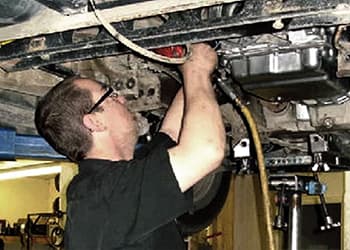
Transmission diagnostics, repair and drivetrain service from experienced Missoula transmission specialists.
Your transmission has to transfer engine power smoothly and reliably while responding to changing speed, load, road conditions and driver input. When shifting changes, fluid begins leaking, a clutch stops engaging correctly, or the vehicle develops a noise or vibration, the cause should be identified before a small problem becomes a larger drivetrain repair.
At Greg’s Trans-Electric, transmission service has been a long-standing specialty. Our Missoula shop provides transmission repair and troubleshooting along with clutch repair, transfer case replacement, front and rear differential work, fluid checks, flushing and related automotive service. We are an ATSG member, work with ASE Certified technicians, and have served the Missoula community since 1964.
Transmission problems are not all the same, and a symptom does not automatically mean the entire transmission needs to be replaced. Some concerns originate in fluid condition or leaks, electronic controls, clutch components, transfer cases, differentials or other parts of the drivetrain. Our approach starts with the symptom and available test information so the repair recommendation can be based on what the vehicle actually needs.
-
You Can Count On Greg’s Trans-Electric
- ASE Certified
- ATSG Member
- Transmission Specialists
- Locally Owned & Operated
- In Business Since 1964
- Great Customer Service
- Quality Work - Affordable Rates
We work on supported domestic and Asian vehicles, including diesel vehicles. European, hybrid and electric vehicles are not serviced. Please call to confirm your vehicle and repair needs.
Transmission Repair Starts With Accurate Diagnosis
A transmission complaint can be obvious, such as a vehicle that will not move, or subtle, such as a shift that feels slightly different from normal. The same symptom can have several possible causes. A hesitation before the vehicle moves may involve transmission operation, fluid level or condition, hydraulic controls, electronic controls or another drivetrain issue. A vibration may come from the transmission, but it can also come from a differential, transfer case, driveline component, wheel or another system.
That is why troubleshooting matters. Before making a major repair decision, technicians may need to verify when the symptom occurs, inspect for leaks or visible damage, evaluate fluid condition where applicable, scan the vehicle for relevant diagnostic information, road-test the vehicle when safe, and perform additional tests based on the findings. The exact process depends on the vehicle and the complaint.
If your transmission is acting differently, describe the problem as specifically as possible when scheduling service. Note whether it happens cold or hot, during acceleration or deceleration, at a certain speed, while turning, after a long drive, or only when selecting a particular gear. Also mention any warning lights, leaks, recent repairs or changes in how the vehicle sounds. Those details can help narrow the diagnostic path.
Transmission and Drivetrain Services
- Transmission repair
- Transmission troubleshooting and diagnostics
- Transmission replacement when appropriate
- Transmission fluid checks
- Transmission and drivetrain flushing services where applicable
- Clutch repair
- Transfer case replacement
- Front differential service and repair
- Rear differential service and repair
- Drivetrain troubleshooting
- Computer scanning and related diagnostics
- Related general auto repair and maintenance
Common Signs of a Transmission Problem
Transmission problems often begin with a change in behavior rather than a complete failure. You may notice delayed engagement after shifting into drive or reverse, an engine that revs without a matching increase in vehicle speed, a harsh or abrupt shift, an unusual noise, a leak under the vehicle, a burning odor, or a warning light. Manual-transmission vehicles may develop clutch-related symptoms such as slipping, difficult engagement, unusual pedal feel or trouble changing gears.
Some symptoms can overlap with engine or electrical problems. Poor engine performance can make a transmission seem slow to respond. Low system voltage, wiring faults or control problems can affect electronically controlled transmission operation. That is one reason a complete diagnosis may extend beyond the transmission itself. If a warning light accompanies the concern, our engine diagnostics and check engine light service page explains why trouble codes should be tested rather than treated as automatic parts-replacement instructions.
Do not ignore a significant change in shifting or drivability. Continuing to drive a vehicle that is slipping badly, losing fluid, making severe noises or failing to engage can increase the risk of additional damage or leave you stranded. If you are unsure whether the vehicle should be driven, call our Missoula shop and describe the symptoms before continuing to operate it.
Automatic Transmission Repair and Troubleshooting
Automatic transmissions use a combination of mechanical components, hydraulic pressure and electronic controls to change gear ratios and transfer power. Because several systems work together, an automatic transmission symptom does not always identify the failed component by itself. Harsh shifting, delayed engagement, inconsistent shifting, slipping or a warning light may require diagnostic testing before the appropriate repair can be determined.
Fluid condition is also important. Transmission fluid may serve multiple functions, including lubrication, hydraulic operation and heat management, depending on the transmission design. A leak can lower the fluid level and interfere with operation. Fluid that is contaminated, overheated or incorrect for the vehicle may contribute to problems. Service procedures and fluid specifications vary significantly by year, make, model and transmission, so the correct procedure should be used rather than assuming every vehicle receives the same flush or fluid.
When an automatic transmission develops a serious internal problem, repair choices may range from targeted repairs to major internal work or replacement. The correct option depends on the failed components, vehicle condition, parts availability, cost and the owner's plans for the vehicle. We diagnose the concern first and then discuss the practical repair path.
Manual Transmission and Clutch Repair
In a manual-transmission vehicle, the clutch connects and disconnects engine power so the driver can start from a stop and change gears. A worn or damaged clutch can create symptoms that resemble transmission trouble. The engine may rev while vehicle speed increases slowly, engagement may occur unusually high or low in pedal travel, shifting may become difficult, or the vehicle may chatter or vibrate as the clutch engages.
Clutch problems can involve more than the friction disc. Depending on the vehicle, the release system, hydraulic components, pressure plate, flywheel, bearings, linkage or other parts may affect engagement. A manual transmission itself can also develop internal wear, synchronizer concerns, bearing noise, leaks or shifting problems. Diagnosing whether the complaint comes from the clutch, transmission or related components helps prevent replacing the wrong parts.
Greg’s Trans-Electric lists clutch repair among its transmission-related services. If your manual-transmission car or truck is slipping, grinding, difficult to shift or behaving differently when the clutch pedal is used, schedule an inspection rather than waiting for the vehicle to become undriveable.
Transfer Case and Differential Service
The transmission is only one part of the drivetrain. Many four-wheel-drive and all-wheel-drive vehicles use a transfer case to distribute power, while differentials allow driven wheels to rotate at different speeds when the vehicle turns. Problems in these components can create noises, leaks, vibration, binding, engagement concerns or other symptoms that a driver may initially describe simply as a transmission problem.
Our current service information specifically includes transfer case replacements and front and rear differential work. Those services are important because an accurate drivetrain diagnosis must consider where the symptom originates. A noise that changes with vehicle speed, for example, may require inspection of more than the transmission. The goal is to identify the affected component before committing to a major repair.
If you drive a truck, SUV, four-wheel-drive vehicle or another vehicle with a transfer case or multiple differentials, mention whether the problem changes between drive modes, during turns, while accelerating or while coasting. Those operating details can help technicians reproduce the complaint and focus the inspection.
Transmission Fluid Leaks, Fluid Checks and Service
Any unexplained fluid leak deserves attention. A transmission or drivetrain leak may come from a seal, gasket, line, cooler connection, case area or another component. The color and location of a drip can provide clues, but visual appearance alone is not always enough to identify the fluid accurately. An inspection can determine what is leaking, how significant the leak is and whether the fluid level has been affected.
Low fluid can interfere with lubrication or hydraulic operation in transmissions that use serviceable fluid. At the same time, simply adding fluid does not fix the source of a leak. The correct fluid specification also matters; modern vehicles may require very specific fluids and checking procedures. Some transmissions have no conventional dipstick and require temperature-dependent level checks or other manufacturer procedures.
Greg’s Trans-Electric lists fluid checks and flushing among its automotive services. Whether a particular transmission should receive a drain-and-fill, flush, filter service or another procedure depends on the vehicle design, maintenance history, condition and manufacturer guidance. We do not recommend treating every transmission with the same generic service.
Schedule a Transmission Inspection If You Notice
- Delayed engagement into drive or reverse
- Slipping or engine RPM rising without normal acceleration
- Harsh, abrupt or inconsistent shifting
- Grinding, whining, humming or other new drivetrain noises
- Transmission or drivetrain fluid leaking
- A burning or unusual odor
- A transmission, check engine or drivetrain warning light
- Difficulty changing gears
- Clutch slipping or abnormal clutch engagement
- Vibration or shudder during acceleration or shifting
- Transfer case engagement concerns
- Noise or binding that changes during turns or drive-mode changes
Repair, Rebuild or Replacement: Why the Diagnosis Matters
We do not rebuild transmissions in-house. We can install new, rebuilt, remanufactured or used replacement transmissions, depending on the job. Transmission diagnosis usually takes one to two hours; repair or replacement averages one to two weeks, depending on transmission availability. Our stated transmission warranty is three years or 100,000 miles; ask us to confirm the coverage and terms for your repair.
Drivers often search for “transmission replacement” as soon as a vehicle begins shifting poorly, but replacement is only one possible outcome. Some problems can be corrected without replacing the complete unit. Others involve enough internal wear or damage that major repair or replacement becomes the more practical choice. The decision should come after the problem has been identified, not before.
Several factors influence the recommendation: the specific failure, transmission design, availability and quality of replacement components, vehicle mileage and overall condition, repair cost, warranty considerations, and how long you expect to keep the vehicle. A lower-cost repair is not necessarily the best choice if it leaves a known major problem unresolved, while a complete replacement is unnecessary if testing identifies a smaller repairable fault.
Our role is to evaluate the complaint and give you a clearer basis for deciding what to do next. If the transmission is not the cause, identifying that early can prevent an expensive unnecessary replacement. If major work is justified, understanding why helps you compare the repair options realistically.
Transmission Maintenance for Missoula Drivers
There is no universal transmission service interval that applies to every vehicle. Maintenance requirements vary by manufacturer, transmission design, fluid specification, mileage and operating conditions. The owner's manual or manufacturer maintenance schedule should be the starting point. If the vehicle has an unknown service history, leaks, unusual fluid condition or existing symptoms, an inspection may be more appropriate than automatically performing a routine service.
Vehicle use also matters. Towing, carrying heavy loads, repeated stop-and-go operation, extended mountain driving and other demanding conditions can increase drivetrain load and heat. Those conditions do not automatically mean a transmission needs repair, but they make it especially important to follow the appropriate maintenance schedule and address leaks or operating changes promptly.
Routine maintenance cannot prevent every mechanical failure, but correct fluid, proper level, leak repair and attention to emerging symptoms can help protect the transmission and provide an opportunity to find problems before they become more severe. For broader vehicle maintenance—including oil changes, brakes, cooling systems, electrical service and other repairs—visit our general auto repair page for Missoula.
Why Choose Greg’s Trans-Electric for Transmission Repair in Missoula?
Transmission work is a specialized part of automotive repair, and experience matters when the repair can range from a simple diagnostic issue to major drivetrain work. Greg’s Trans-Electric has served Missoula since 1964, is locally owned and operated, is an ATSG member, and works with ASE Certified technicians. The shop's existing service information identifies transmission repair as a specialty rather than an occasional add-on.
That transmission background is useful when symptoms overlap between the transmission, clutch, transfer case, differentials, engine controls or electrical system. Our broader automotive capabilities mean the inspection does not have to begin with the assumption that the transmission itself is always at fault. When necessary, related concerns can be evaluated as part of the same diagnostic process.
Our objective is to provide a practical diagnosis, explain what we find, and recommend the repair that fits the actual condition of the vehicle. Whether you need troubleshooting for a new shifting concern, clutch repair, differential work, transfer case service or a major transmission repair, contact our Missoula shop to schedule an appointment.
Questions about Transmission & Drivetrain Repair
Troubleshooting Guide
View AllWhat are common signs that my transmission needs to be checked?
Common reasons to schedule an inspection include delayed engagement, slipping, harsh or inconsistent shifting, difficulty changing gears, fluid leaks, unusual noises, vibration or shudder, a burning odor, clutch problems, or a transmission or drivetrain warning light. Because these symptoms can have different causes, diagnosis should come before assuming the entire transmission needs replacement.
Greg’s Trans-Electric can inspect the concern and discuss the next step.
Does a transmission problem always mean I need a new transmission?
No. Transmission-related symptoms can result from fluid leaks or condition, electronic controls, hydraulic components, clutch problems, transfer cases, differentials or other drivetrain components. Some concerns can be repaired without replacing the complete transmission. Testing is necessary to determine the cause and appropriate repair.
For help evaluating the problem, call Greg’s Trans-Electric.
Should I have my transmission flushed?
That depends on the vehicle. Transmission designs, fluid specifications and maintenance procedures vary. Some vehicles may call for a particular fluid-service procedure while others have different requirements. We recommend following the appropriate manufacturer guidance and considering the vehicle's maintenance history and current condition rather than applying the same flush procedure to every transmission.
Contact Greg’s Trans-Electric if you need help with these symptoms.
Can a check engine light be related to the transmission?
Yes. Modern transmission operation may be monitored or controlled electronically, and some transmission or drivetrain faults can set diagnostic trouble codes. However, a code does not always identify the exact failed part. Scan data and additional testing may be needed to determine whether the issue is in the transmission, wiring, controls or another system.
Greg’s Trans-Electric can inspect the concern and discuss the next step.
Is it safe to drive if my transmission is slipping?
Significant slipping can worsen and may leave the vehicle unable to move normally. Severe noises, major fluid loss, failure to engage, overheating or other serious symptoms are also reasons to stop driving and seek advice. If you are uncertain, call the shop and describe the symptoms before continuing to operate the vehicle.
For help evaluating the problem, call Greg’s Trans-Electric.
Service Questions
View AllWhich transmission types can Greg’s Trans-Electric service?
Greg’s Trans-Electric diagnoses and repairs automatic and manual transmissions and services CVTs and dual-clutch transmissions in supported domestic and Asian vehicles, including diesel truck transmissions. We do not service European, hybrid or electric vehicles. Vehicle fit on our lifts also limits what we can accept.
Does Greg’s Trans-Electric rebuild transmissions in-house?
No. Greg’s Trans-Electric does not rebuild transmissions in-house. We repair and replace transmissions and can install new, rebuilt, remanufactured or used replacement units as appropriate for the job.
How long does transmission diagnosis take?
Transmission diagnosis at Greg’s Trans-Electric usually takes one to two hours unless the problem is unusual. Testing comes before a recommendation to repair or replace the transmission.
How long does transmission repair or replacement take?
Transmission work at Greg’s Trans-Electric averages one to two weeks, depending in part on how quickly the required transmission can be obtained. Ask the shop for the expected timing for your vehicle.
What warranty is available for transmission work?
Greg’s Trans-Electric offers a three-year or 100,000-mile warranty for transmission work. Ask the shop to confirm the coverage, terms and nationwide coverage available for the replacement unit or repair being quoted.
Does Greg’s Trans-Electric perform transmission fluid and filter service?
Yes. Greg’s Trans-Electric provides transmission fluid and filter service and transmission flushes when appropriate for the vehicle. We also diagnose and repair transmission-fluid leaks.
Does Greg’s Trans-Electric repair transmission electrical problems and internal controls?
Greg’s Trans-Electric diagnoses slipping, hard shifting and transmission electrical problems. We repair transmission valve bodies and repair or replace torque converters when that is the appropriate repair.
Does Greg’s Trans-Electric repair clutches, differentials and transfer cases?
Yes. Greg’s Trans-Electric repairs or replaces clutches, repairs differentials and services transfer cases. These components are checked when drivetrain symptoms point to them.
Schedule Transmission Repair in Missoula, MT
If your car or truck is slipping, shifting differently, leaking fluid, making a new drivetrain noise, having clutch trouble, or showing another transmission-related symptom, contact Greg’s Trans-Electric at 203 Commerce St in Missoula. Describe what the vehicle is doing and we can help determine the appropriate next step.
Our Services
-
- Auto Repair
- Auto Maintenance
- Air Conditioning
- Air Filters
- Alternators
- Anti-lock Brakes
- Axles
- Batteries
- Belts
- Brakes (disc & power)
- Breakdowns
- Cabin Air Filters
- Check Engine Light
- Clutch Repair
- Computer Scanning
- Timing Belts
- Truck Repairs
-
- Transmission Repair
- Troubleshooting
- Warranty Work
- Water Pumps
- Radiator Repair
- Welding
- Windshields
- Cooling Systems
- Diagnostics
- Diesel Diagnostics
- Electrical Service
- Electrical Work
- Emergency Service
- Emissions
- Engine Controls
- Engine Repair & Replacement
- Estimates
-
- Exhaust System
- Fluid Checks
- Flushing
- Fuel System
- Heating System
- High Performance
- Hose Replacement
- Ignitions
- Domestic & Asian Vehicles
- Diagnostic Inspections
- Light Replacement
- Mufflers
- Oil Changes Alongside Repairs
- Rotors
- Brake & Suspension Checks
- Scheduled Maintenance
- Shocks And Struts
- Steering Systems
- Suspension Work
- And More!
-
Location
-
Business Hours
Today 8:00 AM - 5:00 PM
Mon - Fri 8:00 AM - 5:00 PM
Weekends Closed -
We Accept
-
Find Us On





© Greg’s Trans-ElectricAll Rights Reserved. Powered by: Local Internet