| Monday: | 8:00 AM - 5:00 PM |
| Tuesday: | 8:00 AM - 5:00 PM |
| Wednesday: | 8:00 AM - 5:00 PM |
| Thursday: | 8:00 AM - 5:00 PM |
| Friday: | 8:00 AM - 5:00 PM |
| Saturday: | Closed |
| Sunday: | Closed |


Greg’s Trans-Electric - Brake Repair & Brake Inspection in Missoula, MT
-
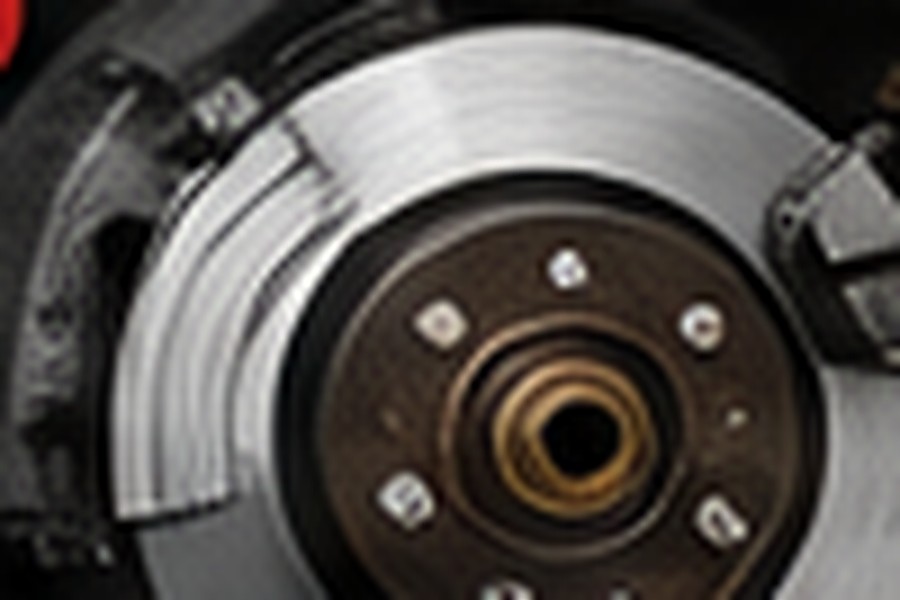
Restore confident stopping with professional brake inspection and repair for cars, SUVs, and light trucks in Missoula.
Your braking system is one of the most important safety systems on your vehicle. Brake pads and rotors are wear items, but stopping performance also depends on calipers, hydraulic pressure, brake fluid, hoses, hardware, wheel bearings, tires, and electronic systems such as ABS. When you hear a new brake noise, feel vibration, notice a warning light, or simply know the brakes are due for inspection, the safest approach is to have the system evaluated before a small wear issue becomes a larger repair. Greg’s Trans-Electric provides brake repair and brake inspection for Missoula drivers who want clear answers and dependable workmanship.
Brake symptoms can overlap. A steering-wheel shake during braking may point toward rotor variation, but suspension or wheel concerns can contribute to vibration too. A soft pedal may involve air or a hydraulic problem, while a hard pedal can have a different cause. Pulling can be related to brakes, tires, alignment, or suspension. For that reason, good brake service begins with inspection and diagnosis rather than replacing the first part associated with the symptom.
Missoula driving can put brakes through very different operating conditions in a single year. Mountain grades increase heat, winter moisture and road treatment can accelerate corrosion, and stop-and-go city driving creates repeated friction cycles. Drivers who tow, carry heavy loads, or travel frequently in hilly areas may also see faster wear. A brake inspection helps determine what is worn now, what remains serviceable, and what should be monitored.
-
You Can Count On Greg’s Trans-Electric
- ASE Certified
- ATSG Member
- Transmission Specialists
- Locally Owned & Operated
- In Business Since 1964
- Great Customer Service
- Quality Work - Affordable Rates
We work on supported domestic and Asian vehicles, including diesel vehicles. European, hybrid and electric vehicles are not serviced. Please call to confirm your vehicle and repair needs.
What a Complete Brake Inspection Looks For
A useful brake inspection considers the system as a whole. Friction material thickness is important, but it is only one part of the picture. Technicians also look at rotor condition, caliper operation, brake hoses and accessible lines, hardware, visible fluid leaks, and signs of uneven wear. When the complaint involves pedal feel, pulling, vibration, ABS lights, or unusual behavior, the inspection can be expanded to the systems most likely to be involved.
Uneven pad wear can be especially informative. If one pad is significantly thinner than its counterpart, the cause may be a sticking caliper, restricted slide movement, hardware issue, or another mechanical problem. Simply installing new pads without correcting the underlying cause can lead to rapid repeat wear. Likewise, heavily scored, cracked, heat-spotted, or out-of-spec rotors may need replacement rather than being reused.
Brake fluid condition and hydraulic integrity also matter. Brake fluid transmits pedal force to the wheel brakes. Leaks, contamination, air in the system, deteriorated hoses, or component failure can change pedal feel and braking response. If the pedal suddenly sinks, braking effort changes dramatically, or a brake warning light appears, treat the concern as urgent rather than waiting for the next routine service.
Brake Pads, Rotors, Calipers, and Related Components
Brake pads create friction against the rotors to slow the vehicle. As pads wear, the friction material becomes thinner and eventually reaches its service limit. Some vehicles use mechanical wear indicators that create a squeal; others use electronic wear sensors; many provide no reliable warning until a technician measures the pads. Waiting for grinding often means the friction material has already worn away and metal components are contacting each other.
Rotors must provide a suitable friction surface and remain within dimensional specifications. A rotor can sometimes look acceptable while still being too thin, distorted, or uneven. Whether a rotor can be resurfaced depends on condition, thickness, equipment, and manufacturer guidance. In many modern applications, replacement is more appropriate. We base the recommendation on the actual component and vehicle rather than automatically choosing one method for every brake job.
Calipers apply the pads to the rotors. A caliper that sticks, leaks, or fails to release can cause overheating, pulling, odor, uneven wear, and reduced fuel economy. Parking-brake components, rear brake hardware, brake hoses, wheel cylinders on drum-brake applications, and master-cylinder or booster concerns can also affect operation. The repair should match the fault that inspection reveals.
Brake Services and Inspection Areas
- Brake pad and friction material inspection
- Brake rotor condition and measurement
- Caliper and slide operation checks
- Brake hose and visible hydraulic leak inspection
- Brake fluid condition review when appropriate
- ABS and brake warning-light diagnosis
- Parking brake and related component inspection
Brake Problems Commonly Reported by Drivers
Squealing is one of the most common brake complaints, but not every squeal means the pads are unsafe. Friction materials, dust, surface rust, glazing, hardware, and wear indicators can all create noise. Grinding is more concerning because it can indicate metal-to-metal contact or severe wear. Clicking, clunking, or scraping can point to loose hardware, shields, suspension issues, or foreign material and should be inspected.
Pedal pulsation or vibration during braking is often described as “warped rotors,” but the condition can be more accurately related to rotor thickness variation, lateral runout, uneven friction deposits, or other mechanical factors. Proper diagnosis matters because replacing rotors without correcting contributing runout or hub issues can allow the symptom to return.
A vehicle that pulls when braking deserves prompt attention. Uneven braking force, a sticking caliper, contaminated friction material, tire pressure differences, tire defects, alignment, or suspension problems can all influence direction. Because the symptom can affect vehicle control, an inspection is more valuable than guessing from the steering sensation alone.
Brakes and Mountain or Winter Driving Around Missoula
Long descents can generate substantial brake heat. Using the brakes continuously on a grade may raise temperatures enough to reduce braking effectiveness, accelerate pad wear, or contribute to rotor and fluid stress. Drivers should follow the vehicle manufacturer’s guidance for gear selection and towing, and should not exceed rated capacities. If you notice a burning smell, changed pedal feel, or reduced braking after a descent, have the system checked.
Winter can introduce moisture, road grit, corrosion, and long periods where a vehicle sits with damp brake components. A thin layer of surface rust on rotors after sitting can be normal and may clear with use, but persistent grinding, heavy corrosion, sticking brakes, or uneven contact is different. Vehicles that spend time on salted or treated roads may benefit from periodic inspection of exposed brake and chassis components.
Tires are part of stopping performance too. Even a perfectly functioning brake system cannot create more traction than the tires and road surface allow. Winter tires, tread depth, inflation, and road conditions influence how quickly a vehicle can stop. Brake repair and tire condition should be considered together when evaluating winter safety.
Common Brake Warning Signs
- Squealing, scraping, or grinding while braking
- Brake pedal pulsation or steering-wheel vibration
- Vehicle pulls left or right during braking
- Soft, low, hard, or changing brake pedal feel
- Brake or ABS warning light
- Burning smell or overheated wheel area
- Longer stopping distance or reduced braking confidence
When to Schedule Brake Repair Instead of Waiting
Schedule an inspection when a warning light appears, the pedal feels different, the vehicle pulls, braking distance increases, noise becomes persistent, or you feel vibration through the pedal or steering wheel. Also arrange routine inspection when you know the brakes are aging even if there is no obvious symptom. Many wear conditions are easier and less expensive to address before friction material is completely exhausted.
Do not rely solely on mileage. Two vehicles with the same odometer reading can have very different brake wear depending on traffic, terrain, driving style, towing, load, pad material, and vehicle design. Measurement and inspection provide a better answer than a generic replacement interval.
If a red brake warning light appears, the pedal suddenly goes to the floor, there is a visible fluid leak, or stopping ability is significantly reduced, do not treat it as a normal appointment item. Follow safe roadside procedures and avoid driving a vehicle that cannot be stopped reliably.
Why Missoula Drivers Choose Greg’s Trans-Electric
Greg’s Trans-Electric has served the Missoula area since 1964. The shop is locally owned and operated, works with ASE Certified technicians, and brings decades of transmission and general automotive experience to the diagnostic process. Brake problems do not always exist in isolation; steering, suspension, wheel bearings, tires, and electronics can influence what the driver feels. Broad automotive experience helps when the symptom crosses system boundaries.
Our approach is to inspect, explain, and recommend the repair that matches the condition found. That may be straightforward pad and rotor replacement, or it may involve caliper service, hydraulic diagnosis, ABS-related testing, or another repair. We avoid treating every noise as the same problem.
If you are searching for brake repair in Missoula, MT, call Greg’s Trans-Electric to schedule an inspection. Early attention can help protect related components and, more importantly, keep the vehicle’s stopping system working as intended.
Questions about Brake Repair & Inspection
Troubleshooting Guide
View AllHow do I know if I need brake pads or rotors?
Pad thickness and rotor condition must be inspected. Rotors also need to meet dimensional and surface requirements. Noise or vibration can suggest a problem, but those symptoms alone do not determine which parts should be replaced.
For help evaluating the problem, call Greg’s Trans-Electric.
Why do my brakes squeak if the pads are not worn out?
Brake noise can come from friction-material characteristics, dust, surface rust, glazing, hardware, wear indicators, rotor condition, or contamination. Inspection is the best way to distinguish harmless noise from a developing repair issue.
Contact Greg’s Trans-Electric if you need help with these symptoms.
What causes the steering wheel to shake when braking?
Rotor thickness variation or runout is a common cause, but wheel, hub, steering, suspension, and tire conditions can contribute. Measuring the brake components and checking related parts helps prevent an incomplete repair.
Greg’s Trans-Electric can inspect the concern and discuss the next step.
Can I drive with the ABS light on?
The vehicle may still have conventional braking, but the anti-lock function may be limited or disabled depending on the fault. Because ABS is a safety system and warning lights can have multiple causes, schedule diagnosis promptly and follow the owner’s manual guidance.
For help evaluating the problem, call Greg’s Trans-Electric.
How long do brakes last in Missoula?
There is no single mileage that applies to every vehicle. Terrain, traffic, winter conditions, towing, load, driving habits, component design, and friction material all affect wear. Periodic measurement is more useful than guessing from mileage.
Contact Greg’s Trans-Electric if you need help with these symptoms.
Do I need a brake-fluid flush?
Brake-fluid service intervals vary by manufacturer and vehicle. Fluid condition, age, contamination, repairs to the hydraulic system, and manufacturer recommendations all matter. We can review the service history and vehicle requirements before recommending a fluid service.
Greg’s Trans-Electric can inspect the concern and discuss the next step.
Service Questions
View AllWhat brake repairs are available?
Greg’s Trans-Electric repairs brakes, replaces brake pads and rotors, repairs ABS and parking-brake systems, and performs brake-fluid service.
How long does a typical brake repair take?
A typical brake repair at Greg’s Trans-Electric takes about one day. The actual schedule depends on the work needed and the shop’s availability.
Schedule Brake Repair & Brake Inspection in Missoula
If your vehicle is due for service or showing symptoms that need professional attention, contact Greg’s Trans-Electric at 203 Commerce St in Missoula. We can inspect the concern, explain what we find, and recommend the next step based on the vehicle’s actual condition.
Our Services
-
- Auto Repair
- Auto Maintenance
- Air Conditioning
- Air Filters
- Alternators
- Anti-lock Brakes
- Axles
- Batteries
- Belts
- Brakes (disc & power)
- Breakdowns
- Cabin Air Filters
- Check Engine Light
- Clutch Repair
- Computer Scanning
- Timing Belts
- Truck Repairs
-
- Transmission Repair
- Troubleshooting
- Warranty Work
- Water Pumps
- Radiator Repair
- Welding
- Windshields
- Cooling Systems
- Diagnostics
- Diesel Diagnostics
- Electrical Service
- Electrical Work
- Emergency Service
- Emissions
- Engine Controls
- Engine Repair & Replacement
- Estimates
-
- Exhaust System
- Fluid Checks
- Flushing
- Fuel System
- Heating System
- High Performance
- Hose Replacement
- Ignitions
- Domestic & Asian Vehicles
- Diagnostic Inspections
- Light Replacement
- Mufflers
- Oil Changes Alongside Repairs
- Rotors
- Brake & Suspension Checks
- Scheduled Maintenance
- Shocks And Struts
- Steering Systems
- Suspension Work
- And More!
-
Location
-
Business Hours
Today 8:00 AM - 5:00 PM
Mon - Fri 8:00 AM - 5:00 PM
Weekends Closed -
We Accept
-
Find Us On





© Greg’s Trans-ElectricAll Rights Reserved. Powered by: Local Internet